Solar PV (photovoltaic) panels — the heart of any solar generation system — represent one of the largest categories in global renewable energy procurement. The market consists of monocrystalline panels (currently dominant ~85% of new sales), polycrystalline panels (legacy, declining share), thin-film panels (specialty applications), and a growing tier of premium technologies including TOPCon, HJT, and back-contact panels. China is the world's dominant producer of solar panels, with roughly 70-80% of global production capacity, supplying every major Western and developing market through both branded Tier-1 manufacturers (Trina, Jinko, LONGi, JA Solar, Canadian Solar, Risen, Astronergy) and specialized integrators / private-label suppliers. For solar installers, residential energy distributors, commercial project developers, and EPC contractors worldwide, sourcing solar panels and complete systems directly from a Chinese specialist supplier delivers significant cost savings while maintaining quality at adequate-to-premium tiers.
This guide covers the Titan X Power product family — residential rooftop solar panels (mono PERC 540-580W typical; mono TOPCon 600W+), commercial rooftop panels (rooftop and ground-mount, 580-720W), utility-scale modules (large-format 700W+), all-in-one residential systems (panel + inverter + battery), and complete EPC packages including mounting structures, balance-of-system components, and project documentation. Real product images linking back to the supplier's catalog at titanxpower.com.
Product range — actual catalogue images
The product images below are hosted on the manufacturer's official website (titanxpower.com) and link directly to the manufacturer's catalogue. Click any image to view the full specification page in a new tab.
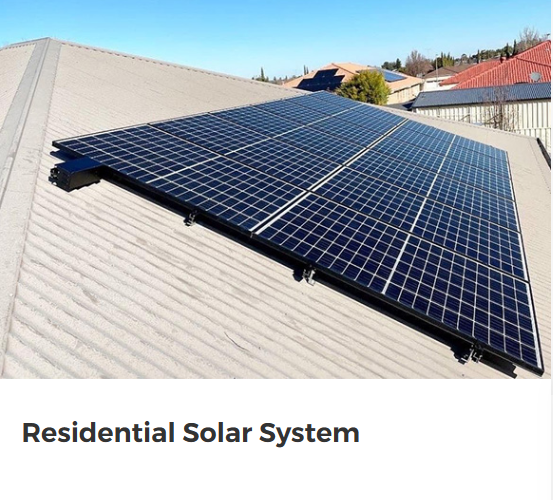
Residential rooftop solar system — monocrystalline panels installed on tile roof for grid-tied home generation.
View on supplier site →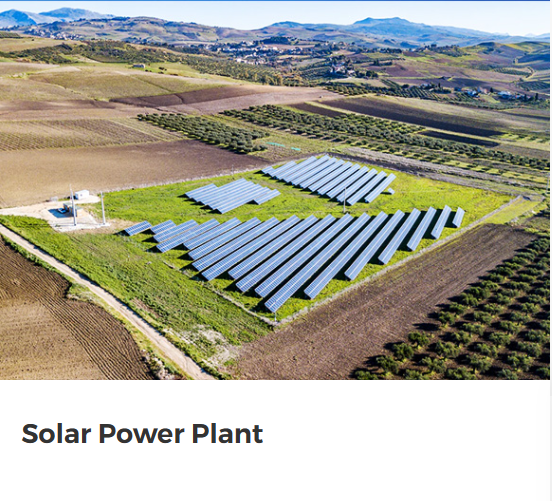
Residential solar panel array — high-efficiency mono cells arranged in landscape orientation on metal roof.
View on supplier site →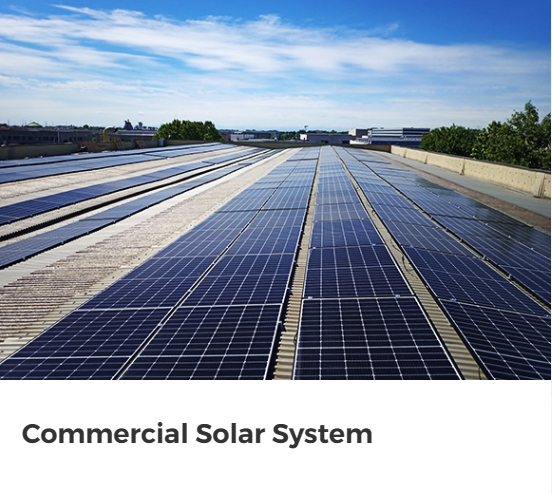
Solar panel installation — premium mono panels integrated into residential roof for self-consumption and net metering.
View on supplier site →Solar panel categories
| Panel type | Cell technology | Wattage range | Efficiency | FOB China typical price (per W) |
|---|---|---|---|---|
| Mono PERC residential | Monocrystalline PERC | 540-580W | 21-22% | USD 0.10-0.16 per W |
| Mono PERC commercial | Monocrystalline PERC | 580-650W | 21-22% | USD 0.09-0.15 per W |
| Mono TOPCon residential | TOPCon (Tunnel Oxide Passivated Contact) | 580-625W | 22-23% | USD 0.13-0.19 per W |
| Mono TOPCon commercial / utility | TOPCon | 625-720W | 22-23% | USD 0.11-0.17 per W |
| Heterojunction (HJT) | Heterojunction Technology | 590-640W | 22.5-24% | USD 0.16-0.24 per W |
| Back-contact (IBC) | Interdigitated Back Contact | 610-680W | 23-24.5% | USD 0.20-0.32 per W |
| Bifacial (rear-side capture) | Mono PERC or TOPCon, bifacial | 540-720W front; +5-15% bifacial gain | 21-23% front | USD 0.13-0.21 per W |
| Polycrystalline (legacy) | Polycrystalline | 340-410W | 16-18% | USD 0.08-0.13 per W |
| Thin-film (CIGS / CdTe) | Thin-film | 120-450W | 12-19% | USD 0.18-0.45 per W |
| Flexible / portable panel | Mono cells laminated to flexible substrate | 50-200W | 20-22% | USD 0.40-1.10 per W |
| BIPV (building-integrated) | Custom-formatted for facade/roof tiles | 40-180W per element | 16-20% | USD 0.50-2.20 per W |
Complete solar system packages
| System size | Typical components | Application | FOB China typical price |
|---|---|---|---|
| 3-5 kW residential | 5-9 panels + string inverter + mounting + cables | Small home, supplemental power | USD 1,800-3,500 (panels + inverter only) |
| 5-10 kW residential | 9-18 panels + hybrid inverter + battery (optional) | Typical residential, self-consumption + backup | USD 2,800-7,500 (with battery USD 5,500-12,000) |
| 10-20 kW residential / small commercial | 18-37 panels + 3-phase inverter | Large home, small commercial, light agriculture | USD 5,500-15,000 |
| 20-50 kW commercial | 37-93 panels + commercial inverter + monitoring | Small commercial, agriculture, schools | USD 10,000-32,000 |
| 50-200 kW commercial | 93-370 panels + multiple inverters + SCADA | Mid-commercial, industrial, hotels, hospitals | USD 25,000-130,000 |
| 200kW-1MW commercial / industrial | Panel array + central inverter + transformer + SCADA | Large industrial, mining, agriculture, EPC project | USD 100,000-650,000 panels+inverter only |
| 1MW+ utility scale | Large array + central inverters + tracking + grid integration | Utility-scale generation | Custom EPC pricing per project |
Tier-1 vs Tier-2 supplier classification matters for project finance
Solar industry uses "Tier" classification based on bankability — whether project lenders/insurers will finance projects using specific manufacturer's panels. TIER-1 suppliers (Trina, Jinko, LONGi, JA Solar, Canadian Solar, Risen, Astronergy, Hanwha Q-CELLS, REC, others — list maintained by BloombergNEF) are accepted by major project finance lenders worldwide. TIER-2 suppliers may be excellent quality but require additional due diligence by project lenders. TIER-3 suppliers face significant restrictions.
FOR RESIDENTIAL/SMALL COMMERCIAL: tier doesn't matter much; quality and warranty terms more important. FOR LARGE COMMERCIAL/UTILITY PROJECTS: must verify supplier qualifies for project lender list before commitment. Reputable suppliers like Titan X Power can provide tier classification documentation. PROJECT FINANCE IMPLICATIONS: Tier-1 panels typically command 5-15% premium over Tier-2 equivalents but unlock financing terms (lower interest rates, longer tenor) that more than compensate. For self-financed installations or insured installations, Tier-2 may be perfectly acceptable.
Cell technology selection — when each is appropriate
| Technology | Best for | Disadvantages |
|---|---|---|
| Mono PERC | Mainstream applications; cost-effective; mature technology | Reaching efficiency ceiling vs newer tech |
| Mono TOPCon | Premium mainstream; better low-light performance; modest efficiency gain | Modest cost premium over PERC |
| Heterojunction (HJT) | Premium residential; highest efficiency in standard format; better temperature coefficient | Significant cost premium; smaller manufacturing capacity |
| Back-contact (IBC) | Aesthetic premium; highest power density per area | Premium price; specialty manufacturers |
| Bifacial | Ground-mount or tracker projects with reflective ground; commercial rooftop with reflective coating | Modest premium; gain depends on installation conditions |
| Polycrystalline | Lowest cost where space isn't constrained; legacy projects | Lower efficiency; declining manufacturing capacity |
| Flexible | RV, boat, portable applications; non-rigid mounting | Higher cost; limited size options |
| BIPV | Architectural integration; building facades and roofs | Premium cost; specialty engineering |
System certifications and compliance
| Standard | Applies to | Markets |
|---|---|---|
| IEC 61215 | Crystalline silicon panels — design qualification | Most international markets |
| IEC 61730 | Panel safety qualification | Most international markets |
| IEC 62804 | Potential-induced degradation (PID) testing | Quality verification globally |
| UL 1703 | Panel certification (US legacy, transitioning) | USA |
| UL 61730 | Panel certification (US current) | USA |
| UL 1741 / UL 1741 SA | Inverter safety + grid support functions | USA grid-tied |
| IEEE 1547 | Grid interconnection requirements (US) | USA grid-tied |
| VDE 0126-1-1 / EN 50549 | Grid interconnection (EU) | EU grid-tied |
| CE marking | EU market access | EU |
| FCC Part 15 | EMC for inverters with electronics | USA |
| RCM | Australia / NZ regulatory mark | Australia, New Zealand |
| BIS | Bureau of Indian Standards | India |
| INMETRO | Brazilian regulatory certification | Brazil |
Pricing brackets — wholesale
| Order tier | Total wattage | Discount | Container utilization | Lead time |
|---|---|---|---|---|
| Sample / pilot | 1-10 kW | List price; LCL | LCL or partial | 20-40 days |
| Small distributor / installer | 50-500 kW | 5-12% | 40' container (~30-40 kW per container of standard panels) | 30-50 days |
| Mid distributor / regional | 1-5 MW | 12-22% | Multiple 40HQ containers | 45-75 days |
| Large distributor / national | 10+ MW | 20-30% | Bulk shipments; multiple containers monthly | 60-100 days |
| Project / utility scale | 50+ MW | Custom project pricing | Direct vessel charter | 90-180 days |
Order workflow — solar panel procurement
- Project specification — define system size (kW), application (residential / commercial / utility), grid-tied or off-grid, target efficiency tier, mounting type
- Tier selection — for project-financed installations, verify supplier appears on lender's acceptable manufacturer list; for cost-driven applications, Tier-2 acceptable
- Sample order — typically 1-10 panels for visual inspection, dimensional verification, electrical performance sample testing
- Project order — include panels, inverters, mounting, cables, connectors, monitoring; verify component compatibility and warranty alignment
- Quality acceptance — incoming inspection per AQL plan; verify each panel's flash test data matches order specification; visual inspection for damage during shipping
- Installation and commissioning — verify electrical connection, grounding, monitoring system functioning; verify performance vs expected production after first month
- Warranty registration — register panels with manufacturer for warranty coverage; track installation date and conditions
- Series production — for ongoing distribution business, framework agreement with predictable order timing