weisourcing.com / products / Shunda Fitness / Gym Equipment & Flooring

Gym Equipment, Rubber Flooring & Fitness Accessories from China — A Wholesale Buyer's Guide

A practical sourcing guide for gym equipment, rubber flooring, and fitness accessories from China — written for fitness equipment distributors, commercial gym chain procurement, hotel and hospitality fitness operators, school and university athletic departments, physical therapy clinics, and home-gym retailers. Real product images from shundafitness.com covering rubber gym flooring (interlocking tiles 15-50mm thick, rolled rubber 4-12mm, color-fleck and solid options for all gym areas from cardio through CrossFit/Olympic dropping platforms), free weights (hex neoprene color-coded dumbbells for group fitness and rehab, cast iron painted for home use, rubber-coated and urethane-coated for premium commercial), barbells (7-foot 20kg Olympic, EZ curl, women's, training), weight plates (cast iron standard, rubber-coated, urethane bumper for CrossFit), kettlebells (cast iron and competition-grade), and gym accessories (jump ropes, resistance bands, foam rollers). Flooring selection by gym area, dumbbell coating selection, certifications (EN 957, ASTM F2216, ISO 20957, FloorScore, REACH), and the procurement workflow that establishes profitable fitness equipment distribution.

Manufacturer: Shunda Fitness (shundafitness.com)
Category: Sports, Fitness, Toys & Leisure
Reading time: 14 min

Gym equipment, fitness accessories, and rubber gym flooring represent a multi-billion-dollar global B2B procurement category. Demand drivers include: (1) growing fitness culture in developing markets driving commercial gym investment; (2) home fitness boom continuing post-pandemic with steady residential equipment sales; (3) corporate and hospitality fitness facility installations; (4) school and university athletic department procurement; (5) physical therapy and rehabilitation equipment demand. China is the dominant manufacturing source for fitness equipment with comprehensive coverage from economy through premium tiers, including private-label support for global fitness retailers and gym chains.

This guide covers the Shunda Fitness product family — gym rubber flooring (interlocking tiles, rolled rubber, custom-color fleck, weight-room and CrossFit-rated thicknesses), free weights (hex neoprene dumbbells, rubber-coated dumbbells, cast iron, urethane-coated, premium and economy tiers), barbell sets (Olympic 7-foot, EZ curl, women's, training), weight plates (cast iron standard, rubber-coated, urethane bumper, fractional change plates), kettlebells (cast iron and competition-grade), gym accessories (jump ropes, resistance bands, foam rollers, gym mats), strength equipment components, and complete commercial and home gym packages. Real product images linking back to the supplier's catalog at shundafitness.com.

Product range — actual catalogue images

The product images below are hosted on the manufacturer's official website (shundafitness.com) and link directly to the manufacturer's catalogue. Click any image to view the full specification page in a new tab.
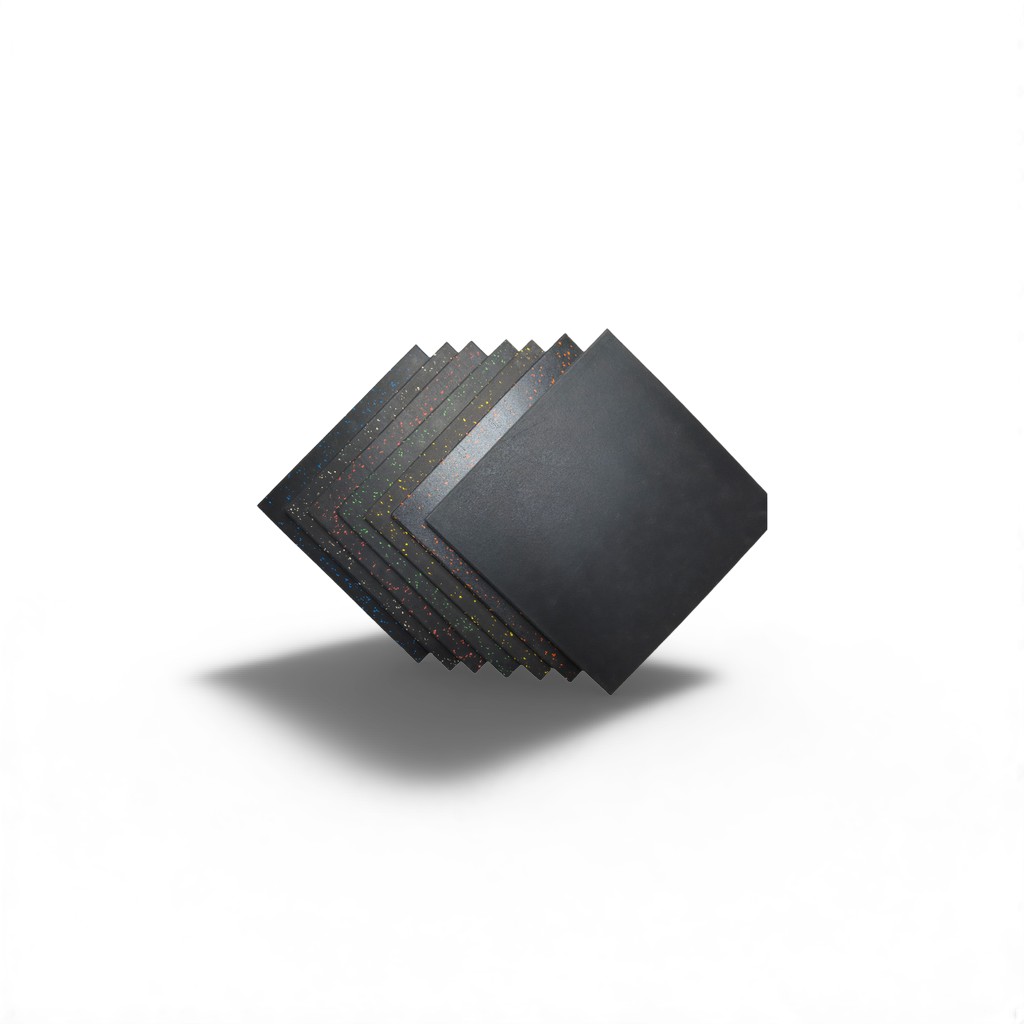
Color-fleck rubber gym flooring tiles — interlocking 50×50cm tiles for commercial and home gyms with shock-absorbing properties.

Color-fleck rubber gym flooring tiles — interlocking 50×50cm tiles for commercial and home gyms with shock-absorbing properties.

View on supplier site →
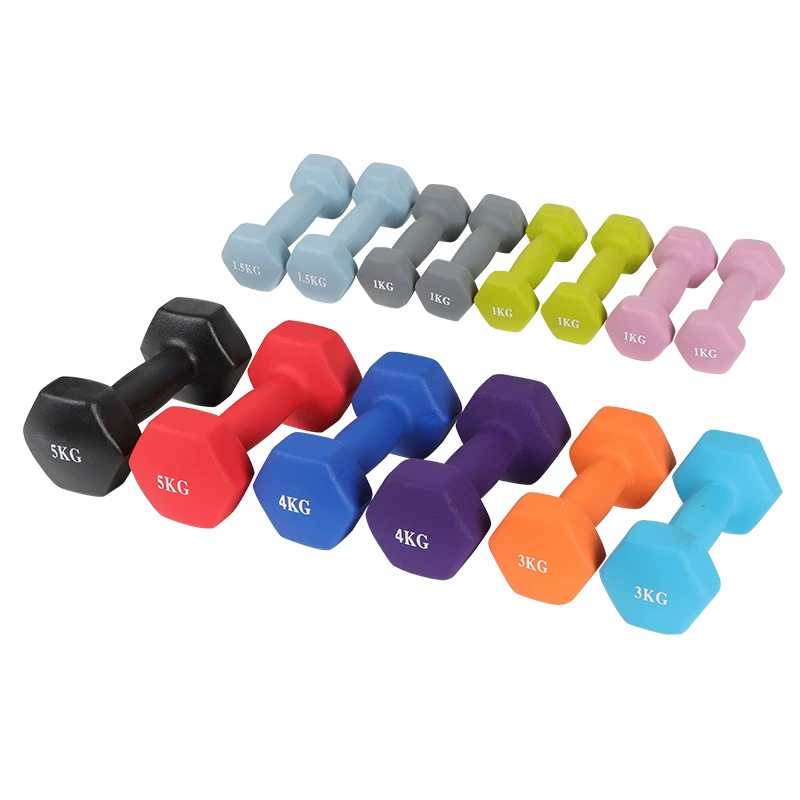
Hex neoprene-coated dumbbells in colorful weights (1KG to 5KG) — color-coded fitness dumbbells for women, beginners, and group fitness.

Hex neoprene-coated dumbbells in colorful weights (1KG to 5KG) — color-coded fitness dumbbells for women, beginners, and group fitness.

View on supplier site →
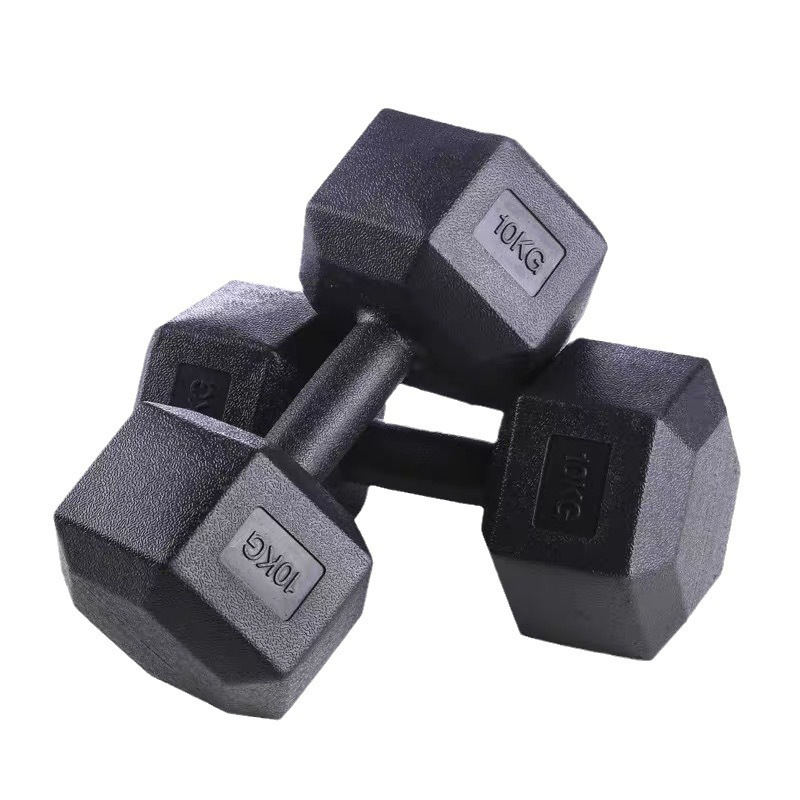
Cement-filled dumbbell variant — economy weight option with concrete core in plastic shell for budget home fitness use.

Cement-filled dumbbell variant — economy weight option with concrete core in plastic shell for budget home fitness use.

View on supplier site →

Product family overview

Product familyCommon variantsCommon applicationsFOB China typical price
Rubber gym flooring (interlocking tiles)50×50cm tiles, 15-50mm thick, plain or color-fleckHome gyms, commercial weight rooms, light commercialUSD 8-35 per m²
Rolled rubber flooring1.0-1.5m wide rolls, 4-12mm thick, EPDM rubber granuleCardio areas, group fitness, large gym installationsUSD 12-45 per m²
Premium weight-room flooring20-50mm thick rubber, EPDM/SBR granule, premium color-fleckCrossFit, Olympic lifting, premium commercial gymsUSD 25-65 per m²
Hex neoprene dumbbells (1-15kg)Color-coded, hex shape (anti-roll), neoprene coatingGroup fitness, women, beginners, rehabUSD 1.80-12.00 per piece
Cast iron dumbbells (5-50kg)Hex or round, painted finish, traditional weight roomHome gyms, basic commercialUSD 8-85 per piece
Rubber-coated dumbbells (5-60kg)Hex or round, premium rubber coating, durableMid-commercial gyms, premium homeUSD 12-130 per piece
Urethane-coated dumbbells (5-75kg)Round, premium urethane, premium aestheticsPremium commercial, hospitality, club gymsUSD 25-280 per piece
Olympic barbells (7-foot, 20kg)20kg standard, 1500-2200 lbs tensile, knurled gripOlympic lifting, powerlifting, CrossFitUSD 65-380 per piece
Cast iron weight platesOlympic 50mm hole; 1.25kg to 25kgHome and commercial gym standardUSD 1.50-3.20 per kg
Rubber-coated weight plates50mm Olympic hole; 1.25kg to 25kgPremium home and commercialUSD 2.50-5.50 per kg
Bumper plates (urethane/rubber)10kg, 15kg, 20kg, 25kg; uniform diameter (450mm)CrossFit, Olympic lifting, droppingUSD 5.50-12.00 per kg
Kettlebells (cast iron)4kg to 48kg, painted or powder-coatedHome gyms, group fitness, CrossFitUSD 8-220 per piece
Competition kettlebells16kg, 24kg, 32kg in standard color/handle dimensionsCompetition, premium trainingUSD 65-220 per piece
Gym accessories (jump ropes, bands, foam rollers)Various sizes and resistancesGroup fitness, home gym, trainingUSD 1.50-25.00 per piece

Rubber flooring selection guide

ApplicationRecommended thicknessMaterialTypical FOB China per m²
Cardio area, light fitness studio4-8mm rolled rubberSBR rubberUSD 8-18 per m²
Group fitness studio10-15mm rolled rubber or tilesSBR + EPDM color fleckUSD 12-25 per m²
Light weight room15-20mm tilesSBR with color fleckUSD 15-28 per m²
Standard commercial weight room20-30mm tilesSBR with EPDM color fleckUSD 18-35 per m²
Heavy commercial / Olympic30-40mm tilesPremium EPDM granuleUSD 25-50 per m²
CrossFit / dropping platform40-50mm tiles or premium platformPremium EPDM, dense rubberUSD 30-65 per m²
Heavy industrial / Strongman50mm+ tiles or layeredPremium dense rubber, double layerUSD 45-95 per m²

Color-fleck rubber flooring vs solid color — design and performance considerations

Color-fleck rubber flooring (where colored EPDM granules are mixed into black SBR rubber) is the dominant choice for commercial gyms. ADVANTAGES: (1) Visual appeal — interesting pattern that hides debris/dirt; (2) Flexibility — same product accommodates various brand colors (red fleck, blue fleck, green fleck, etc.); (3) Premium perception. SOLID-COLOR options (rare): difficult to manufacture without significant cost premium; less common. SOLID BLACK: lowest cost, most basic appearance. SELECTION FACTORS: (1) Brand alignment — match flooring color to gym brand identity; (2) Aesthetic level — color fleck looks more premium; (3) Maintenance ease — color fleck hides scuffs and wear better than solid; (4) Cost — color fleck adds 15-30% over plain black. PROCUREMENT: most premium suppliers offer 5-15 standard fleck colors plus custom colors at higher MOQs. Reputable suppliers like Shunda Fitness can match specific brand colors with minimum orders.

Dumbbell selection — coatings and applications

Coating typePropertiesBest applications
Hex Neoprene (vinyl-coated)Color-coded, soft texture, hex shape (anti-roll)Group fitness, women's training, beginners, rehabilitation
Cast Iron (painted)Traditional appearance, durable, hex shapeHome gyms, cost-conscious commercial
Rubber-coated (round head)Quiet, protects floor, premium appearanceMid-commercial gyms, premium home
Urethane-coated (round head)Most durable, premium commercial standardPremium commercial, club gyms, hospitality
Chrome with rubber centerDecorative chrome ends with rubber centerBoutique gyms, lifestyle clubs
Hex Rubber-coatedHex shape with rubber coating, durablePremium commercial weight rooms
Adjustable dumbbellsVariable weight via dial or pin systemHome gyms (space-constrained)
Cement-filled (economy)Concrete inside plastic shellBudget home gyms, light fitness
Vinyl-coated (compact)Color-coded, light weights onlyBeginner programs, water aerobics, rehab

Pricing brackets — wholesale

Order tierTotal quantityDiscountContainer utilizationLead time
Sample / pilot200-500 m² flooring or 200kg weightsList price; LCLLCL or partial15-30 days
Small distributor / single-gym1,000-3,000 m² flooring + 5-15 tons weights5-12%1-2 × 40' container30-50 days
Mid distributor / multi-gym3,000-15,000 m² + 20-100 tons weights12-22%3-10 × 40' container40-70 days
Large distributor / national15,000+ m² + 100+ tons weights20-30% frameworkMultiple containers monthly50-90 days
Mass private-label / retailerOEM custom branding, 5,000+ piecesCustom OEM pricingCustom packaging60-120 days

Compliance and certification

StandardApplies toNotes
EN 957 / EN 20957Stationary training equipmentEU mandatory for fitness equipment
ISO 20957Stationary training equipmentInternational equivalent of EN 957
ASTM F2216 / F2276 / F2278Free weights and accessories (US)Voluntary but expected for premium
ASTM F1955Children's playground useFor products in school/family use
EN 14041Resilient floor coveringsEU flooring compliance
FloorScore certificationIndoor air quality (low VOC)Premium indoor specifications
REACHRestricted chemicals (EU)EU mandatory for products and packaging
RoHSRestricted substancesEU + most international
CE markingEU market accessEU mandatory
UL listingElectrical safetyFor powered fitness equipment
SGS testing reportThird-party material testingMany premium markets require

Order workflow — fitness equipment procurement

  1. Application analysis — define target use (commercial gym, home gym, hospitality fitness, school, rehab); each has different specifications and certifications
  2. Specification development — for each product family, define material grade, coating, weight range, color requirements, packaging
  3. Sample order — typically 100-500 pieces / 200-500 m² to verify build quality, weight accuracy, finish quality, packaging integrity
  4. Commercial trial — install on representative gym for 60-180 days; document any wear, dimensional changes, customer feedback
  5. First commercial order — typically 5-30 tons weights + 1,000-3,000 m² flooring for distribution business launch
  6. Quality acceptance — incoming inspection per AQL plan; verify weight accuracy (±2% standard), dimensional accuracy, surface finish quality
  7. Series replenishment — quarterly orders aligned with sales velocity; for high-consumption applications, framework agreement

Shunda Fitness on weisourcing.com

View the full supplier profile, certifications, contact details, and complete product catalogue.

Manufacturer · Sports, Fitness, Toys & Leisure

Shunda Fitness

shundafitness.com

Shunda Fitness (China) — manufacturer of gym equipment, rubber flooring, and fitness accessories. Rubber gym flooring: interlocking tiles 50×50cm in 15-50mm thicknesses, rolled rubber 4-12mm in 1.0-1.5m widths, plain SBR and EPDM color-fleck variants, premium dense rubber for CrossFit/Olympic platforms, FloorScore-certified low-VOC options. Free weights: hex neoprene color-coded dumbbells (1-15kg for group fitness/women/rehab), cast iron painted dumbbells (5-50kg), rubber-coated round dumbbells (5-60kg for mid-commercial), urethane-coated premium dumbbells (5-75kg for premium commercial), chrome-and-rubber decorative dumbbells, hex rubber-coated, adjustable dumbbells for home gym, cement-filled economy variants, vinyl-coated compact for beginners. Barbells: 7-foot Olympic 20kg with 1500-2200 lbs tensile strength, EZ curl, women's 15kg, training/technique bars. Weight plates: cast iron Olympic 50mm hole (1.25kg-25kg), rubber-coated, premium urethane bumper plates (10-25kg, 450mm uniform diameter for CrossFit dropping). Kettlebells: cast iron painted (4-48kg), powder-coated, competition-grade (16/24/32kg). Gym accessories: jump ropes, resistance bands, foam rollers, gym mats, training accessories. Certifications: EN 957 / EN 20957, ISO 20957, ASTM F2216 / F2276 / F2278, EN 14041 (flooring), FloorScore (low VOC), REACH, RoHS, CE marking, RCM, BIS. Documentation packages for major export markets included.

View full profile →

Frequently asked questions

How does Chinese fitness equipment quality compare to premium brands like Rogue, Eleiko, Hammer Strength?
For mainstream fitness equipment, premium-tier Chinese suppliers like Shunda Fitness deliver products at quality close to Tier-1 brands at significantly lower cost. The performance parity is achievable for mainstream products because: (1) MANUFACTURING TECHNOLOGY — same processes (cast iron casting, rubber coating, urethane molding); (2) RAW MATERIALS — same global suppliers for raw cast iron, premium urethane, EPDM rubber granule; (3) BASIC ENGINEERING — fitness equipment design is well-understood and reproducible; (4) ENVIRONMENTAL TESTING — quality Chinese suppliers verify products meet international standards. WHERE TIER-1 RETAINS ADVANTAGES: (1) PROPRIETARY HIGH-PERFORMANCE products — competition Olympic barbells (specifically Eleiko's expertise), specialized strength equipment frames, premium hospitality aesthetics; (2) LIFETIME WARRANTY — Tier-1 (Rogue) often provides 10-year+ warranties backed by financial scale; (3) BRAND VALUE — premium gym aesthetic and customer perception. FOR MAINSTREAM USE (commercial gyms, home gyms, hospitality fitness, schools, rehab), premium Chinese fitness equipment delivers fully-equivalent performance at 30-60% of Tier-1 retail pricing. PROCUREMENT STRATEGY: (1) Premium boutique gyms with brand-conscious customers → Tier-1 brands matter; (2) Mainstream commercial gyms → Chinese supplier optimal value; (3) Home gym retail → Chinese supplier with private label; (4) Olympic/competition use → Tier-1 like Eleiko for highest specifications. Quality verification: weight accuracy (±2% standard), tensile testing certificates for barbells (1500+ lbs PSI), material declarations, sample testing before large orders. Reputable suppliers like Shunda Fitness provide complete documentation and welcome customer inspection.
How do I source rubber gym flooring for different gym areas?
Different gym areas need different flooring specifications. CARDIO AREAS (treadmills, ellipticals, bikes) — only need light shock absorption; 4-8mm rolled rubber adequate. Material: standard SBR (styrene-butadiene rubber granule). Cost: USD 8-15 per m². STRENGTH/WEIGHT ROOM (free weights, machines, light dropping) — moderate impact protection; 15-30mm rubber tiles or rolled. Material: SBR with EPDM color fleck. Cost: USD 15-30 per m². OLYMPIC LIFTING/CROSSFIT (heavy dropping, plate slamming) — heavy impact protection; 30-50mm tiles or specialized lifting platforms. Material: premium EPDM rubber granule, denser composition. Cost: USD 30-65 per m². GROUP FITNESS STUDIOS (yoga, dance, group classes) — softer surface for floor-based exercises; 6-12mm rolled with specific surface finish. Material: SBR or specialized PVC/foam composite. Cost: USD 12-25 per m². STRETCHING/REHAB AREAS — softer cushioning for floor work; 8-15mm rolled rubber or specialized foam-rubber. Cost: USD 15-30 per m². LOCKER ROOMS — water-resistant, easy to clean; 6-10mm rolled rubber or PVC. Cost: USD 8-18 per m². OUTDOOR FITNESS — UV-stable, weather-resistant; 25-40mm tiles with specific outdoor formulation. Cost: USD 25-50 per m². INSTALLATION CONSIDERATIONS: (1) Subfloor requirements — concrete must be level, dry, free of contamination; (2) Adhesive vs floating installation — depends on traffic and moving equipment; (3) Edge treatment for safety; (4) Drainage for shower-adjacent areas. ESTIMATING MATERIAL: total area + 5-10% waste factor; complex room shapes need higher waste factor. Reputable suppliers like Shunda Fitness provide application-specific recommendations and supply technical specifications.
What's involved in a complete commercial gym equipment supply project?
Commercial gym equipment supply is a structured multi-month project. PROJECT PHASES: PHASE 1 — DESIGN/PLANNING (1-3 months): (1) Gym layout design (architect or specialist designer); (2) Equipment specification per area (cardio area, strength area, free weight area, group fitness studio, locker rooms); (3) Brand identity development (color schemes, signage, etc.); (4) Budget envelope definition. PHASE 2 — SUPPLIER SELECTION (1-2 months): (1) Premium Tier-1 + premium Chinese supplier as primary candidates; (2) Reference customer verification; (3) Sample equipment evaluation; (4) Site visit if practical; (5) Commercial terms negotiation. PHASE 3 — PROCUREMENT (3-6 months from order to delivery): (1) Purchase order placement with deposit; (2) Manufacturing 60-120 days; (3) Pre-shipment inspection; (4) Sea freight 30-50 days; (5) Customs clearance 1-3 weeks. PHASE 4 — INSTALLATION (1-3 months): (1) Site preparation (flooring installation first); (2) Equipment delivery and positioning; (3) Equipment assembly and calibration; (4) Initial inspection and acceptance. PHASE 5 — LAUNCH AND ONGOING (continuous): (1) Member orientation; (2) Equipment maintenance schedule established; (3) Replacement / expansion planning. TYPICAL PROJECT SIZE: small commercial gym 200-500 m² with 30-50 cardio + strength stations: USD 80,000-280,000 equipment cost; mid-commercial gym 500-1500 m² with 80-150 stations: USD 280,000-850,000; large gym 1500+ m² with 150+ stations: USD 850,000-3,000,000. EQUIPMENT MIX (typical): cardio 25-30%, strength machines 30-35%, free weights 15-20%, flooring 10-15%, accessories/MISC 10-15%. SUPPLIER MIX: many gyms use 2-3 suppliers (premium for hero stations, mid-tier for supporting equipment, accessories from specialized suppliers). Reputable Chinese suppliers like Shunda Fitness can provide complete equipment packages or supply specific categories.
What certifications matter most for fitness equipment in different markets?
Certification requirements vary significantly by market. EUROPEAN UNION: (1) EN 957 / EN 20957 — mandatory for stationary training equipment in commercial use; (2) CE marking — based on relevant directives (Machinery 2006/42/EC for powered equipment, RED 2014/53/EU for connected equipment); (3) REACH — restricted chemicals in materials; (4) EN 14041 — resilient floor coverings (rubber flooring). UNITED STATES: (1) ASTM F2216 / F2276 / F2278 — voluntary but expected for premium commercial use; (2) UL listing — required for powered equipment; (3) FCC for connected equipment. AUSTRALIA / NEW ZEALAND: (1) RCM mark; (2) AS/NZS 4485 for fitness equipment. INDIA: (1) BIS for some categories; (2) consumer protection requirements. SAUDI ARABIA / GULF: (1) SASO certification mandatory; (2) Halal-compatible requirements where relevant. SOUTH AMERICA: (1) INMETRO (Brazil); (2) CONFORM (Argentina). CHEMICAL COMPLIANCE (most markets): (1) RoHS for electronics; (2) REACH equivalent (different markets); (3) FloorScore for indoor air quality (premium specifications); (4) Specific phthalate restrictions for products in residential use. SAFETY-CRITICAL CERTIFICATIONS for specific products: (1) Olympic-grade barbells — IPF (International Powerlifting Federation) for competition; IWF (International Weightlifting Federation) for Olympic competition; (2) Gymnastics equipment — FIG (Fédération Internationale de Gymnastique) approval; (3) School use — additional safety standards (impact protection, no entrapment). PROCUREMENT IMPLICATIONS: (1) Verify supplier maintains certifications for all destination markets; (2) Some certifications transferable, some require per-market testing; (3) Budget USD 5,000-50,000 per product per major market for testing and certification; (4) Ongoing surveillance audits for some certifications. Reputable Chinese suppliers like Shunda Fitness maintain comprehensive certifications for major export markets.
How do I plan inventory for fitness equipment distribution business?
Fitness equipment inventory planning balances availability against capital cost. INVENTORY CATEGORIES: (1) HIGH-TURN ITEMS (dumbbells, weight plates, common accessories) — should be on-hand; demand is steady. (2) PROJECT ITEMS (commercial gym packages, custom installations) — order to demand; minimize inventory carrying. (3) SEASONAL ITEMS (home gym equipment, certain accessories) — buildup ahead of New Year/January peak. (4) PROMOTIONAL ITEMS — specific to marketing campaigns; planned procurement. CALCULATING REQUIRED INVENTORY: (1) BASIC EQUIPMENT (dumbbells, plates) — 60-90 day rolling consumption based on historic; (2) PROJECT EQUIPMENT — order-to-demand with 60-90 day lead time visibility; (3) SAFETY STOCK — 30-50% of high-turn items for unexpected demand spikes. CAPITAL REQUIREMENTS: typical mid-size fitness equipment distributor (USD 5-15M annual revenue) carries USD 1-3M inventory; capital-constrained operations carry less but lose sales to competitors. SEASONALITY: significant New Year peak (Jan-Feb home gym sales increase 200-400% over base); summer slowdown for home equipment; commercial procurement steady year-round. SUPPLIER STRATEGY: (1) PRIMARY SUPPLIER 50-70% volume - framework agreement with predictable lead times; (2) SECONDARY 30-40% for risk management and product diversity; (3) BACKUP for emergencies. LEAD TIME PLANNING: (1) Standard products 30-60 days from China; (2) Custom products 60-120 days; (3) Build inventory buffer; safety stock for critical items. FINANCING: (1) Letter of credit for major orders; (2) Trade credit from suppliers (30-90 day terms common with established relationships); (3) Working capital line for seasonal builds. ROI CONSIDERATIONS: (1) Inventory turnover target 4-8 turns per year for distribution business; (2) Gross margin 20-35% typical for fitness equipment distribution; (3) Net margin 5-12% typical after operating expenses. Reputable suppliers like Shunda Fitness support distributor inventory planning with predictable production schedules.
What's the difference between commercial-grade and home-gym fitness equipment?
Significant quality and pricing tier differences between commercial and home use products. COMMERCIAL-GRADE EQUIPMENT — designed for: (1) High-frequency multi-user use (50-200+ users per day per machine); (2) 12-16+ hour daily operation; (3) 5-15 year service life expectation; (4) Heavy load capacity. Typical specifications: heavy-duty steel frame (typically 12 gauge or thicker steel); upgraded bearings and bushings; heavy-duty cables and pulleys; commercial-grade upholstery; warranty 1-3 years parts/labor + extended frame warranty (often 10-15 years); higher cost (typically 2-4x home-grade equivalent). HOME-GYM EQUIPMENT — designed for: (1) Single or 2-3 user household; (2) 1-3 hours daily operation typical; (3) 5-10 year service life; (4) Lower load capacity. Typical specifications: lighter steel frame (16 gauge or lighter); standard bearings; standard cables; consumer-grade upholstery; warranty 90 days to 1 year parts/labor + 1-2 year frame; lower cost. CROSSOVER GRADES: "light commercial" or "premium home" tiers fill the gap; suitable for boutique fitness studios, hotel gyms, small group facilities. PROCUREMENT IMPLICATIONS: (1) For commercial gym sales, ALWAYS supply commercial-grade; using home equipment in commercial settings creates liability and rapid wear; (2) For home gym sales, home-grade is appropriate cost/performance balance; (3) For hotel/hospitality, light-commercial typically appropriate. PRICING DIFFERENTIAL: typical commercial dumbbell costs 60-80% more than home equivalent of same weight; commercial cable machine costs 200-300% more than home equivalent; commercial barbell typical 100-150% more. CONSUMER vs COMMERCIAL CHANNELS: consumer e-commerce (Amazon, manufacturer direct) sells primarily home-grade; specialty fitness retailers and B2B distributors sell across tiers; commercial gym suppliers focus on commercial. Reputable Chinese suppliers like Shunda Fitness provide both tiers with clear specifications and warranty terms.
⚠ Important Disclaimer

Source: Product images on this page are hosted on the manufacturer's official website (shundafitness.com) and link directly back to that website. All product information was summarised from the supplier's public catalogue.

Brand mentions and trademark compliance: References to Tier-1 fitness equipment brands (Rogue Fitness, Eleiko, Hammer Strength, Life Fitness, Precor, Cybex, Technogym, Matrix) are made for the sole purpose of describing functional benchmarks. Shunda Fitness is not authorized by, affiliated with, or endorsed by any of these brand owners. Products are aftermarket-fit cross-reference manufactured under Shunda Fitness's own brand or buyer-private-label only.

Safety and liability: Fitness equipment can cause serious injury when misused or when manufacturing defects exist. Distributors and gym operators are responsible for installing, maintaining, and educating users per applicable safety standards. Verify equipment compliance with destination market certifications (EN 957, ASTM F2216, etc.) before commercial deployment.

Pricing & specifications: All price ranges and tier definitions reflect general market observation. Real-world fitness equipment pricing varies with material costs (cast iron, urethane, rubber), tariff/duty changes, and currency fluctuations. Confirm current pricing, MOQ, lead time, and certification scope directly with the supplier.

No middleman role: Weisourcing provides supplier discovery and editorial content. All transactions occur directly between buyer and supplier through the contact channels published on the supplier's official website.